The global technology landscape is undergoing a major shift as on-device artificial intelligence (AI) and edge computing become central to how digital products are built and experienced. Instead of relying entirely on cloud infrastructure, modern devices are increasingly capable of processing AI tasks locally, delivering faster responses, improved privacy, and reduced dependency on internet connectivity. This transition is shaping everything from personal electronics to enterprise software and smart infrastructure.
The Rise of On-Device AI
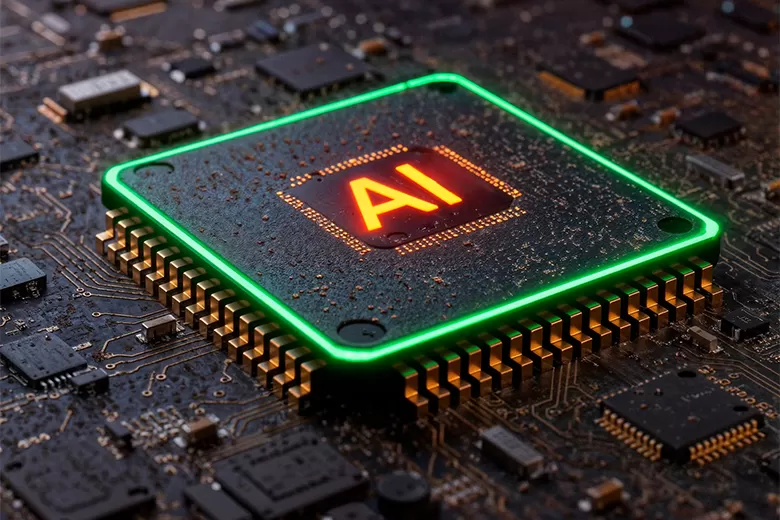
One of the most notable trends in current technology development is the move toward AI processing directly on user devices. Smartphones, laptops, and wearables are now equipped with dedicated neural processing units (NPUs) that enable tasks such as voice recognition, image generation, and real-time translation without sending data to external servers.
This shift is driven by both performance and privacy demands. On-device AI minimizes latency, allowing applications to respond instantly, while also ensuring sensitive data remains within the device. For users, this means more reliable experiences in low-connectivity environments and greater control over personal information.
For developers and businesses, on-device AI introduces new design possibilities. Applications can now deliver personalized experiences that adapt in real time, making software feel more intuitive and responsive.
Edge Computing Gains Momentum
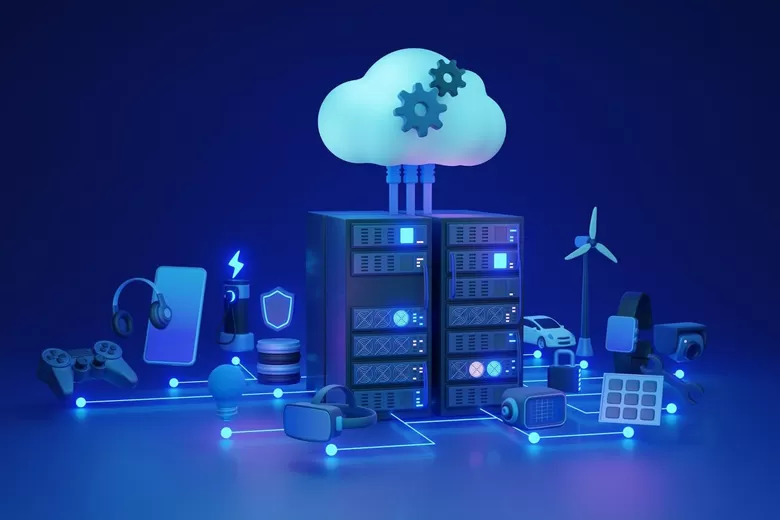
Closely connected to on-device AI is the growth of edge computing, where data is processed closer to its source rather than in centralized data centers. This approach is becoming essential for applications that require immediate decision-making, such as autonomous systems, industrial automation, and smart city infrastructure.
Edge computing reduces network congestion and enhances system reliability, especially in environments where constant cloud connectivity is impractical. Industries such as manufacturing, healthcare, and logistics are adopting edge-based solutions to analyze sensor data, detect anomalies, and optimize operations in real time.
As edge infrastructure expands, it also enables scalable AI deployments that balance performance and cost, making advanced technology more accessible across sectors.
AI-Powered Personal Computing Evolves
Personal computing is also being reshaped by AI-centric hardware. Modern laptops and desktops are increasingly designed around AI acceleration, enabling features like intelligent task automation, adaptive power management, and enhanced creative workflows.
AI-powered tools can now assist with writing, coding, design, and data analysis directly within operating systems and applications. This evolution is transforming computers into proactive assistants rather than passive tools, helping users work more efficiently and creatively.
For professionals, AI-enhanced computing reduces repetitive tasks and supports faster decision-making, reinforcing the growing demand for intelligent software ecosystems.
Cybersecurity Adapts to Smarter Threats
As AI capabilities grow, cybersecurity is also evolving to counter more sophisticated threats. Modern security platforms are integrating AI to detect unusual behavior patterns, predict vulnerabilities, and respond to attacks automatically.
AI-driven cybersecurity systems analyze vast amounts of data in real time, identifying risks that traditional rule-based systems might miss. This proactive approach is particularly important as remote work, cloud platforms, and connected devices expand the digital attack surface.
At the same time, organizations are focusing on zero-trust architectures, combining AI monitoring with strict access controls to ensure long-term resilience.
Early Progress in Quantum and Advanced Computing
While still in early stages, progress in quantum computing and advanced processors continues to influence long-term technology strategies. Research labs and technology firms are exploring hybrid computing models that combine classical systems with quantum-inspired algorithms.
Although widespread adoption remains years away, these advancements are already shaping innovation in cryptography, materials science, and complex simulations. Businesses are closely monitoring these developments to prepare for future breakthroughs.
What This Trend Means for Technology Companies
For web, app, and software development companies, these trends highlight several strategic priorities:
- Designing applications optimized for on-device and edge AI
- Building privacy-first systems that minimize cloud dependency
- Integrating AI seamlessly into user workflows
- Preparing infrastructure for intelligent automation
- Strengthening security through AI-based threat detection
Technology is no longer defined solely by connectivity or processing power. Instead, it is being shaped by intelligence at the edge, where devices think, learn, and adapt in real time.
Looking Ahead
As on-device AI and edge computing continue to mature, they will redefine how users interact with technology daily. Faster experiences, stronger privacy, and smarter automation are setting new expectations for digital products.
For businesses, staying aligned with these trends is not optional — it is essential for building competitive, future-ready solutions in an increasingly intelligent digital world.