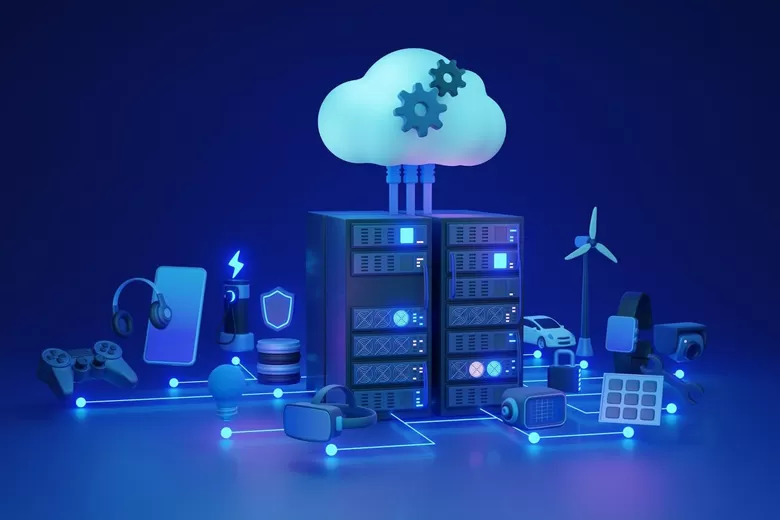
As digital services continue to demand faster performance and real-time responsiveness, edge computing is becoming one of the most important infrastructure trends shaping modern web and application platforms in 2026. Instead of relying entirely on centralized cloud servers, companies are increasingly processing data closer to users through distributed edge networks. This shift reduces latency, improves reliability, and enables new categories of digital experiences that were previously difficult to deliver.
Edge computing is not intended to replace cloud infrastructure. Instead, it complements it by moving specific workloads closer to the user while still leveraging the scalability and storage capabilities of centralized systems. For businesses that operate global platforms, this hybrid model offers significant performance improvements.
Why Edge Computing Is Growing
Several factors are accelerating the adoption of edge-based architectures. First, users expect digital services to be fast regardless of their geographic location. Whether accessing a mobile app, an e-commerce platform, or a streaming service, delays of even a few milliseconds can impact user satisfaction and engagement.
Second, modern applications process large volumes of data in real time. Analytics dashboards, connected devices, location-based services, and multiplayer platforms all require rapid data processing. Sending all of this information to a distant cloud server introduces delays that edge computing helps eliminate.
Another key driver is reliability. Distributed infrastructure allows systems to continue operating even if certain regions experience network issues. By placing compute resources closer to users, platforms can maintain performance during traffic spikes or connectivity disruptions.
How Edge Platforms Work
Edge computing platforms distribute servers across multiple geographic regions. When a user interacts with a web application, their request is routed to the nearest edge node rather than a distant data center. That node processes the request, performs computations, and sends the response back quickly.
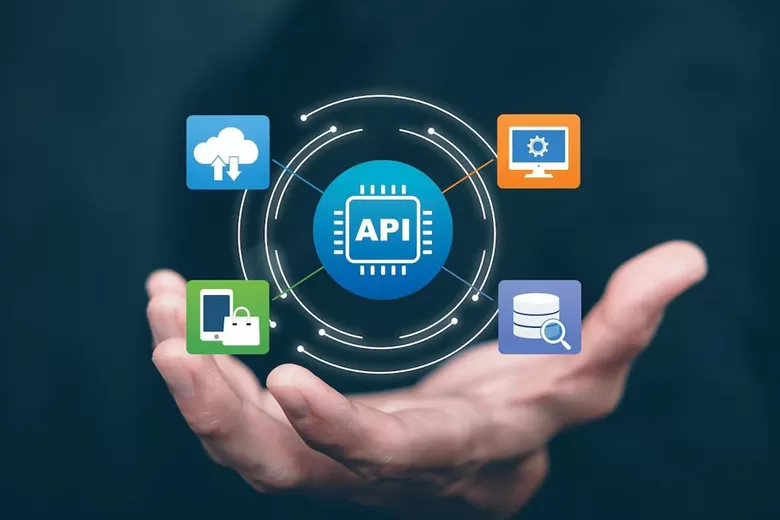
For developers, edge platforms often integrate with existing cloud tools, allowing workloads to be deployed seamlessly. Functions, APIs, and microservices can run at the edge without major architectural changes. This flexibility has made edge computing accessible to startups as well as large enterprises.
Developers benefit from several capabilities:
- Low-latency data processing
- Local caching for faster responses
- Regional traffic management
- Improved resilience during outages
These advantages translate into smoother user experiences and more scalable platforms.
Impact on Web Applications
Edge infrastructure is transforming how web applications are delivered. Instead of loading every resource from a central server, applications can dynamically serve content from nearby nodes. This approach improves page load speed, reduces bandwidth consumption, and enhances global accessibility.
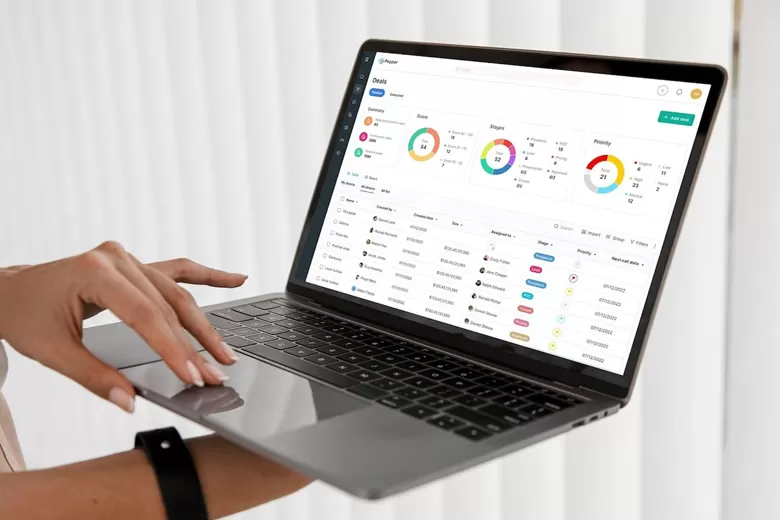
Content-heavy platforms such as media sites, SaaS dashboards, and interactive tools especially benefit from edge optimization. Personalized content, authentication checks, and API responses can all be handled locally, minimizing delays for users across different regions.
For businesses operating internationally, this performance boost directly affects engagement and retention.
Benefits for Mobile and Real-Time Apps
Mobile applications rely heavily on fast interactions and minimal waiting times. Edge computing enables quicker API responses and smoother synchronization of user data across devices. Services like ride-hailing platforms, delivery tracking, and live collaboration tools require near-instant communication between users and servers.
By processing requests at the edge, these applications can provide:
- Faster location updates
- Real-time notifications
- Reduced latency in messaging
- More responsive user interfaces
This capability becomes even more important as apps integrate richer interactive features.
Security Advantages of Edge Networks
Edge computing also introduces improvements in security and traffic control. Distributed systems can inspect and filter requests closer to their origin, helping detect threats earlier. Modern edge platforms often integrate security features such as request validation, rate limiting, and traffic filtering.
By handling these tasks before traffic reaches the core infrastructure, organizations can reduce the risk of attacks affecting central systems. This layered security model strengthens the overall reliability of digital platforms.
Development and Deployment Changes
As edge computing grows, development workflows are adapting to take advantage of distributed environments. Many frameworks now support deploying functions directly to edge nodes, enabling developers to write code that executes globally without managing servers manually.
This shift encourages developers to design applications with performance and geographic distribution in mind. APIs, authentication processes, and caching strategies can all be optimized for edge environments.
Additionally, monitoring tools now provide insights into performance across regions, allowing teams to refine deployments continuously.
Business Impact of Edge Adoption
For companies building web and mobile platforms, edge computing offers several strategic advantages. Faster services improve user satisfaction, which can lead to higher engagement and retention rates. Businesses also benefit from improved scalability, as distributed systems handle traffic spikes more effectively.
Edge infrastructure can also reduce operational costs by minimizing long-distance data transfers and optimizing resource usage. For global platforms, this efficiency becomes increasingly valuable as user bases grow.
Technology providers are therefore investing heavily in edge capabilities, integrating them into modern development ecosystems and cloud platforms.
Looking Ahead
In the coming years, edge computing is expected to become a standard component of web and application architecture. As digital services demand real-time responsiveness, distributed infrastructure will play a critical role in delivering seamless experiences.
Organizations that adopt edge strategies early will be better positioned to support global audiences, emerging technologies, and data-intensive applications. The shift toward decentralized computing represents not just a performance improvement but a fundamental evolution in how digital platforms operate.
For web and app technology companies, understanding and leveraging edge computing will be essential for building the next generation of fast, scalable, and resilient digital services.