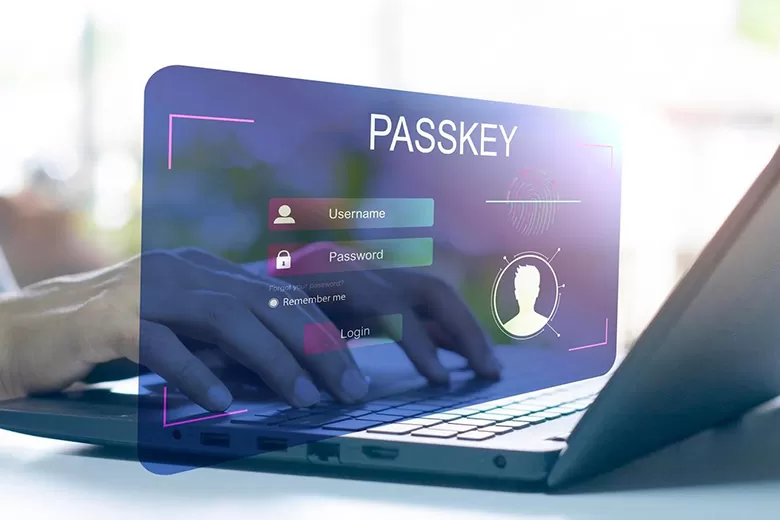
As web and app technologies continue to evolve, cybersecurity has become an essential pillar of modern digital platforms. Traditional perimeter-based security approaches are no longer sufficient to protect user data and application integrity. In 2026, zero-trust security and next-generation authentication methods are reshaping how organizations approach web and app security, influencing everything from design to deployment.
Understanding Zero-Trust Security
Zero-trust security operates under a simple principle: never trust, always verify. Instead of assuming that users or devices within a network are safe, every access request is evaluated based on identity, context, and risk factors. This approach minimizes potential attack vectors and ensures tighter control over sensitive resources.
Unlike older security models that focus primarily on firewalls or VPNs, zero-trust emphasizes continuous verification, strict identity management, and granular access controls. This model is especially relevant as organizations adopt multi-cloud infrastructure, remote workforce policies, and API-driven platforms.
Why Web Security Is Evolving
The evolution of web and app security is driven by several factors:
- Increased attack surfaces: With apps spanning web, mobile, cloud, and partner platforms, vulnerabilities multiply.
- Remote work adoption: Employees and users access systems from diverse devices and networks.
- Regulatory compliance: GDPR, CCPA, and other global standards demand stricter data handling.
- Sophisticated cyber threats: Modern attacks leverage AI, automation, and social engineering, requiring adaptive defense measures.
This convergence has made traditional perimeter-focused defenses obsolete, pushing companies toward zero-trust and identity-centric solutions.
Modern Authentication Techniques
Authentication has become a focal point for securing web and app platforms. Password-based systems are increasingly replaced by passkeys, multi-factor authentication (MFA), and biometric verification. Passkeys, in particular, eliminate the risk of password leaks and phishing attacks, offering a more secure and seamless user experience.
Developers are now designing login flows that combine:
- Device-based authentication
- Context-aware risk analysis
- Adaptive session management
- Strong encryption for credential storage
For end-users, this shift provides security without compromising usability—a key factor in adoption and retention.
API Security in the Zero-Trust Era
As API-driven applications proliferate, securing APIs has become critical. APIs often expose sensitive data and backend logic, making them prime targets for attacks.
Modern API security measures include:
- Token-based authentication and authorization
- Rate limiting and throttling to prevent abuse
- Real-time monitoring for unusual activity
- Secure data transmission through TLS and encryption
Combining API security with zero-trust principles ensures that every service request is validated, regardless of origin or network.
Cloud and Edge Security Considerations
With applications distributed across cloud and edge networks, security challenges extend beyond traditional data centers. Zero-trust principles must be applied consistently across environments, ensuring that remote and cloud-hosted resources remain protected.
Key practices include:
- Micro-segmentation of workloads
- Continuous compliance monitoring
- Identity and access management integration
- Secure deployment pipelines for DevOps teams
Organizations that embed security into infrastructure from the start reduce the risk of breaches and maintain trust with users and partners.
The Role of Continuous Monitoring
Zero-trust security requires constant vigilance. Security teams rely on real-time monitoring, threat intelligence, and automated alerts to detect and mitigate attacks. Continuous monitoring also enables teams to adapt security policies based on emerging threats and unusual user behavior.
Modern platforms increasingly leverage AI-driven security analytics to identify patterns, reduce false positives, and respond to threats faster than manual processes allow.
UX Considerations in Security
Security cannot be an afterthought in user experience. Platforms that prioritize zero-trust principles while maintaining smooth interactions see higher adoption rates. Developers are integrating security checks into workflows, rather than imposing disruptive verification steps.
Best practices include:
- Seamless passkey or biometric login
- Context-aware session management
- Transparent multi-factor prompts
- Clear communication around data privacy
Balancing security and usability ensures that platforms remain both safe and user-friendly.
Business Implications of Modern Security
For web and app technology companies, investing in zero-trust and modern authentication offers tangible business benefits:
- Reduced risk of data breaches and associated fines
- Higher customer trust and brand reputation
- Easier compliance with regulatory frameworks
- Future-ready architecture capable of supporting new platforms
In an era where security incidents can significantly impact revenue and reputation, proactive security strategies are no longer optional—they are strategic differentiators.
The Road Ahead
Web and app security will continue to evolve in 2026 and beyond. Organizations are expected to:
- Expand zero-trust adoption across all digital assets
- Integrate AI-driven threat detection and response
- Implement passwordless authentication widely
- Embed security into DevOps and CI/CD pipelines
Companies that embrace these trends early will gain a competitive advantage, building platforms that are resilient, compliant, and trusted by users.