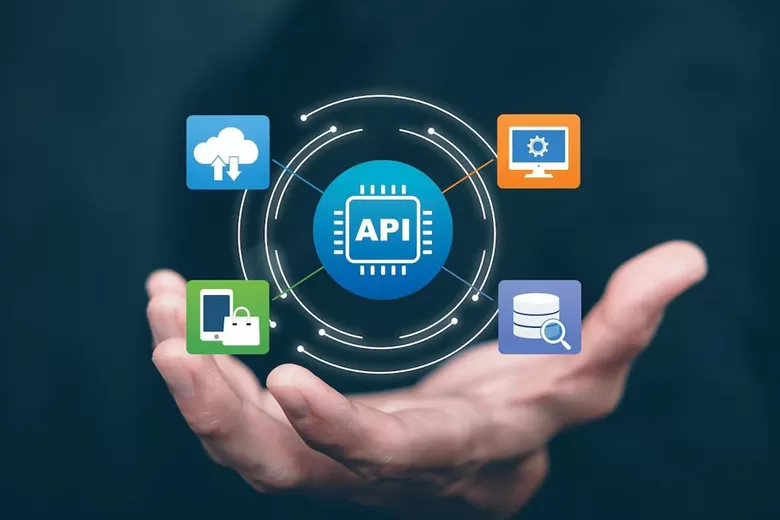
The digital ecosystem in 2026 is increasingly powered by APIs. Modern applications rarely operate as isolated systems. Instead, they connect with payment platforms, communication tools, analytics engines, and third-party services through well-structured interfaces. As a result, API-first development has become one of the most important strategies shaping how web and mobile applications are built.
API-first development means designing the application programming interface before building the frontend or backend systems. By prioritizing APIs at the start of the development process, organizations can create more flexible, scalable, and collaborative digital platforms.
The Shift Toward API-Driven Systems
In the early days of web development, applications were typically built as monolithic systems. All components—user interface, business logic, and database interactions—were tightly connected. While this approach worked for simpler platforms, it created limitations as applications grew in complexity.
Modern digital services now integrate with dozens of external systems. Payments, authentication, messaging, logistics, analytics, and cloud storage often come from different providers. APIs allow these systems to communicate seamlessly.
Because of this shift, companies now treat APIs as products rather than internal tools. Well-designed APIs enable faster development, easier integrations, and new business opportunities.
Why API-First Matters for Developers
An API-first approach provides several advantages for development teams. When APIs are clearly defined from the beginning, frontend developers, backend engineers, and third-party partners can work in parallel without blocking each other.
This reduces development delays and encourages collaboration across teams.
Some of the most important benefits include:
- Faster product development cycles
- Improved system modularity
- Easier integration with external services
- Consistent data structures across applications
- Better documentation and maintainability
These benefits make API-first development especially valuable for startups and large enterprises alike.
Microservices and API Ecosystems
The growth of microservices architecture has accelerated the adoption of APIs. Instead of building a single large backend system, organizations now divide applications into smaller services that communicate through APIs.
Each service focuses on a specific responsibility, such as user authentication, payments, notifications, or analytics. APIs connect these services together, creating a flexible and scalable ecosystem.
This structure allows teams to update individual components without disrupting the entire system. It also enables organizations to scale only the services that require additional resources.
For large platforms with millions of users, this flexibility is critical.
The Role of API Gateways
As the number of APIs increases, managing them efficiently becomes essential. API gateways act as centralized entry points that handle requests between clients and backend services.
These gateways provide several important functions:
- Authentication and access control
- Request routing to appropriate services
- Rate limiting to prevent abuse
- Monitoring and analytics for API usage
By consolidating these responsibilities, API gateways simplify infrastructure management and improve system reliability.
Developer Experience and API Design
Modern technology companies recognize that developer experience plays a crucial role in the success of APIs. Clear documentation, predictable endpoints, and consistent data formats make it easier for developers to adopt and integrate services.
Organizations are investing in developer portals, sandbox environments, and automated documentation tools to streamline the onboarding process. These resources reduce friction and encourage wider adoption of platforms.
Well-designed APIs can even become revenue sources when companies open them to partners or external developers.
APIs and the Growth of Digital Ecosystems
Many of the world’s most successful technology platforms rely heavily on APIs to expand their ecosystems. By allowing external developers to build integrations and applications, companies create networks that increase the value of their services.
Examples include:
- Payment integrations in e-commerce platforms
- Messaging services embedded in productivity apps
- Data analytics tools connected to marketing platforms
- Logistics APIs used by delivery applications
This interconnected environment enables businesses to innovate faster and reach new markets without building every feature internally.
Security Challenges in API Platforms
As APIs become central to digital infrastructure, security is more important than ever. APIs often expose sensitive data and system functionality, making them attractive targets for attackers.
Modern API security strategies include:
- Token-based authentication
- Encrypted data transmission
- Request validation and monitoring
- Automated threat detection
Organizations must also regularly test their APIs for vulnerabilities and ensure access controls are properly configured.
A strong security framework protects both businesses and users from potential risks.
Performance and Scalability Considerations
High-performing APIs are essential for delivering responsive digital experiences. Slow or unreliable APIs can impact the performance of entire platforms, especially in mobile applications where network conditions vary.
To maintain speed and reliability, developers often implement:
- Caching strategies
- Load balancing across services
- Efficient database queries
- Optimized data payloads
These optimizations ensure that APIs can handle large volumes of requests without performance degradation.
Business Impact of API-First Strategies
Companies that adopt API-first development gain significant strategic advantages. Faster product development allows businesses to respond quickly to market demands. Modular architecture makes systems easier to maintain and expand.
Additionally, APIs enable partnerships and integrations that create new revenue opportunities. Businesses can offer services to external developers, integrate with marketplaces, and expand their digital reach.
For technology companies building web and mobile platforms, APIs have become a foundational layer of innovation.
The Future of API Platforms
Looking forward, APIs will continue to shape how digital services interact. Emerging trends such as event-driven architecture, serverless computing, and edge deployments are all closely tied to API ecosystems.
As applications become more interconnected, well-designed APIs will determine how efficiently systems communicate and scale. Organizations that invest in strong API strategies today will be better prepared for the increasingly complex digital landscape of tomorrow.
In a world where software platforms depend on collaboration between services, APIs are no longer just technical tools—they are the backbone of modern technology infrastructure.