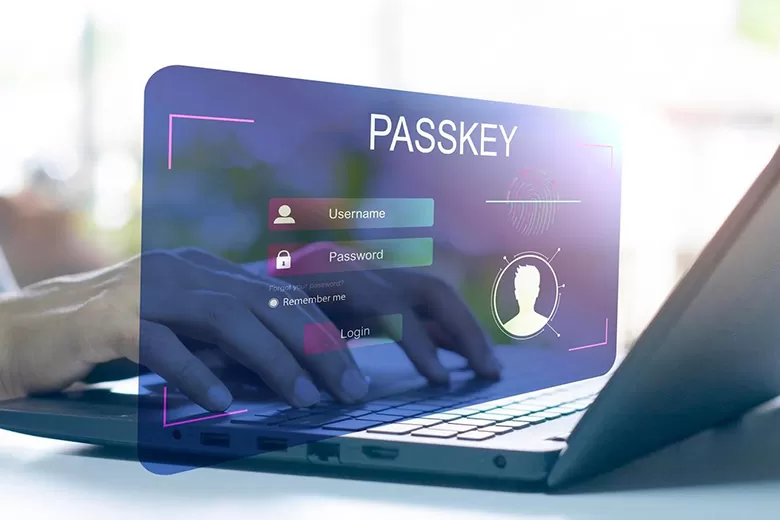
In 2026, web and app developers are increasingly prioritizing inclusive design and digital accessibility as central pillars of modern development. Inclusive design goes beyond meeting legal requirements — it ensures that web apps, mobile apps, and digital services can be used by everyone, regardless of physical ability, age, or technology familiarity.
Accessibility is no longer an afterthought. Users expect seamless, intuitive experiences that respect their needs, and businesses are recognizing that inclusivity directly impacts usability, engagement, and brand reputation.
The Business Case for Accessibility
Accessible design benefits both users and organizations. For businesses, inclusivity expands the potential audience, reaching millions of users who might otherwise encounter barriers. This is especially important for e-commerce, SaaS platforms, and enterprise apps, where even minor usability issues can reduce conversion rates.
Moreover, accessible apps are often more compatible with modern devices, assistive technologies, and emerging platforms. Features such as semantic HTML, keyboard navigation, and proper ARIA (Accessible Rich Internet Applications) roles improve overall app performance, benefiting all users.
Inclusive design also supports corporate responsibility initiatives. Organizations demonstrating commitment to accessibility often gain trust, loyalty, and a competitive edge in their industries.
Key Accessibility Trends in 2026
Several trends are shaping the accessibility landscape for web and app technologies:
1. Voice and Gesture Interfaces
Voice commands and gesture recognition are increasingly integrated into apps, allowing users with limited mobility to navigate software without relying on touchscreens or keyboards.
2. Dark Mode and Customizable Interfaces
Modern apps offer user-controlled themes, font sizes, and contrast settings, supporting users with visual impairments or cognitive sensitivities.
3. Screen Reader Optimization
Developers are improving semantic markup and ARIA roles so that screen readers can accurately interpret web content, providing richer experiences for visually impaired users.
4. Inclusive Forms and Input Handling
Forms are being redesigned to be accessible to all, including those using assistive technology. Clear labels, error messaging, and simplified interactions reduce friction.
5. Automated Accessibility Testing Tools
Development teams are increasingly using automated accessibility checkers to ensure compliance with WCAG (Web Content Accessibility Guidelines) 3.0 and other standards, accelerating testing and reducing errors.
How Accessibility Impacts Web & App Development
Implementing accessibility early in the development lifecycle is critical. When integrated from design through deployment, accessibility features are more effective and less costly than retrofitting them afterward.
Developers are learning to:
- Structure code semantically
- Use ARIA attributes correctly
- Ensure keyboard navigability
- Provide text alternatives for images and multimedia
- Test across devices and assistive technologies
For app developers, cross-platform accessibility is also crucial. Mobile apps must adhere to Android Accessibility Guidelines and Apple’s Human Interface Guidelines, ensuring consistent experiences across platforms.
Accessibility as a Design Principle
Inclusive design is not just about compliance; it’s about designing with empathy. Designers are now considering diverse user scenarios from the outset, creating apps that work seamlessly for people with visual, auditory, motor, and cognitive challenges.
This design mindset has secondary benefits as well: simpler navigation, more readable layouts, and clearer user flows improve usability for everyone.
Emerging Technologies Supporting Accessibility
Several technologies are helping developers implement inclusive apps more effectively:
- AI-powered captioning and Transcription for video and audio content
- Real-time translation and Localization tools for multilingual accessibility
- Adaptive learning algorithms that personalize interfaces based on user behavior and needs
- Enhanced color contrast and Visualization tools for designers
These tools enable faster development of accessible apps while maintaining high-quality user experiences.
The Role of Regulations and Standards
Regulatory pressure continues to increase globally. Governments and international bodies are enforcing accessibility standards for public-facing websites, e-commerce platforms, and enterprise applications. Non-compliance can result in legal action and reputational damage.
For developers and businesses, staying ahead of standards such as WCAG 3.0, Section 508 in the U.S., and EN 301 549 in the EU ensures both legal safety and competitive advantage.
Competitive Advantage Through Accessibility
Accessibility is no longer optional. Organizations that prioritize inclusive design are able to reach broader audiences, improve retention, and enhance brand reputation. Web and app development companies that specialize in accessibility can offer a high-value service, differentiating themselves in a crowded market.
Looking Ahead
The future of web and app development will be defined by inclusivity. As devices, browsers, and assistive technologies evolve, apps must be adaptive, responsive, and user-centric. Accessibility will increasingly be considered a baseline expectation rather than an added feature.
Businesses investing in inclusive design today are positioning themselves for long-term success. By integrating accessibility principles into their core workflows, organizations not only serve all users better but also strengthen their technology foundation for the evolving digital landscape.