Digital transformation is entering a new phase as digital twin technology becomes a core tool for simulation, optimization, and decision-making across industries. A digital twin is a virtual replica of a physical object, system, or process that continuously updates using real-world data. By bridging the physical and digital worlds, digital twins enable organizations to test ideas, predict outcomes, and improve performance without real-world risk.
What began as a specialized technology for manufacturing is now expanding into sectors such as healthcare, smart cities, energy, logistics, and enterprise software.
Understanding Digital Twins
At its core, a digital twin mirrors a real entity using data collected from sensors, software systems, and connected devices. This virtual model reflects real-time conditions and historical behavior, allowing users to analyze performance and simulate future scenarios.
Unlike static models or simulations, digital twins evolve continuously. As conditions change in the physical world, the digital twin adapts, providing up-to-date insights that support smarter decisions.
This real-time connection is what makes digital twins increasingly valuable in complex environments.
From Monitoring to Prediction
Early digital twins focused mainly on monitoring equipment or systems. Today, the technology has advanced toward predictive and prescriptive intelligence.
Using artificial intelligence (AI) and machine learning, digital twins can forecast failures, recommend maintenance schedules, and optimize operations automatically. For example, an industrial digital twin can detect early signs of equipment wear and suggest corrective actions before downtime occurs.
This predictive capability reduces costs, improves reliability, and increases operational efficiency across industries.
Digital Twins in Industry and Infrastructure
Manufacturing remains one of the strongest adopters of digital twin technology. Factories use digital twins to simulate production lines, test process changes, and improve quality control without disrupting live operations.
In infrastructure and urban planning, digital twins are being used to model smart cities. Virtual replicas of transportation systems, buildings, and utilities help planners evaluate traffic flow, energy usage, and environmental impact before making real-world changes.
These applications demonstrate how digital twins support long-term planning and sustainable development.
Healthcare and Life Sciences Applications
Healthcare organizations are also exploring digital twins to improve patient outcomes and operational efficiency. Virtual models of medical equipment, hospital workflows, and even individual patients can help clinicians plan treatments and manage resources more effectively.
In research environments, digital twins enable simulation-based testing that accelerates innovation while reducing cost and risk. This approach is especially valuable in complex systems where real-world experimentation is expensive or limited.
Enterprise Software and Business Operations
Beyond physical assets, digital twins are now being applied to business processes and enterprise systems. Organizations are creating digital twins of workflows, supply chains, and customer journeys to identify bottlenecks and optimize performance.
By simulating changes before implementation, companies can make data-driven decisions with greater confidence. This is particularly useful in global operations where small adjustments can have wide-ranging effects.
For software teams, digital twins provide a new way to understand how systems behave under different conditions.
The Role of AI and Real-Time Data
Artificial intelligence is a key enabler of modern digital twins. AI models analyze incoming data, identify patterns, and generate insights that humans might miss.
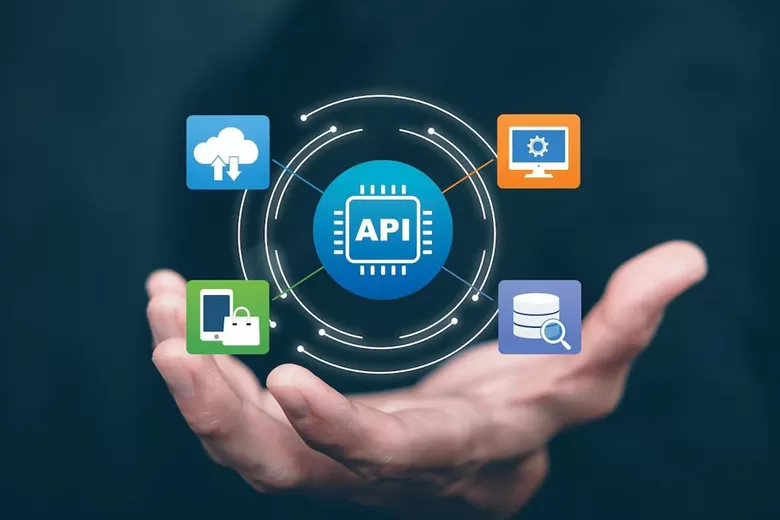
Combined with real-time data streams from IoT devices and enterprise platforms, digital twins become intelligent systems capable of adapting autonomously. This integration supports faster responses, better forecasting, and continuous improvement.
As AI capabilities advance, digital twins are expected to become more autonomous and more accurate.
Challenges and Implementation Considerations
Despite their benefits, digital twins also present challenges. Building accurate models requires high-quality data, reliable sensors, and well-designed integration layers.
Organizations must also address data security, system complexity, and scalability. Successful digital twin initiatives typically start with clearly defined goals and expand gradually as value is proven.
Strong collaboration between domain experts, developers, and data teams is essential.
What This Means for Technology Companies
For web, app, and software development companies, digital twin technology opens new opportunities:
- Building real-time data platforms
- Developing simulation and visualization tools
- Integrating AI-driven analytics
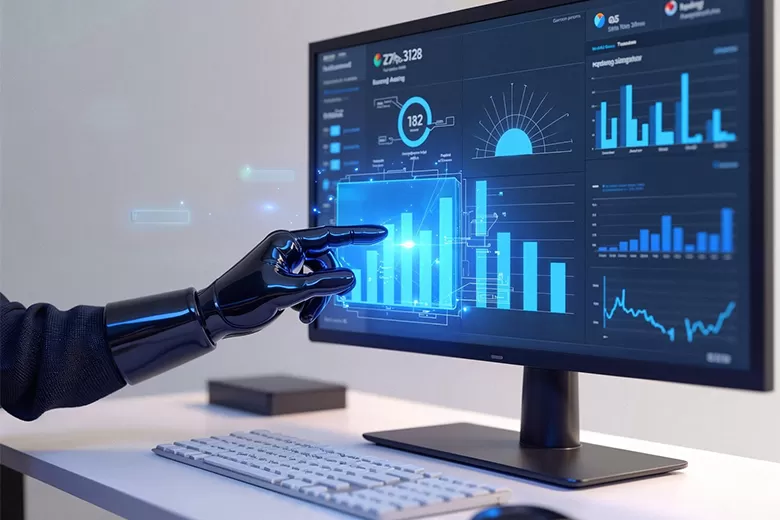
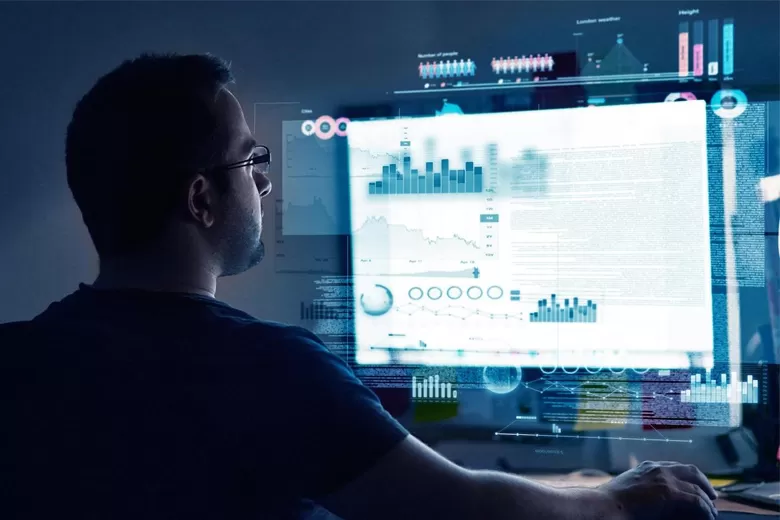
- Creating dashboards for monitoring and prediction
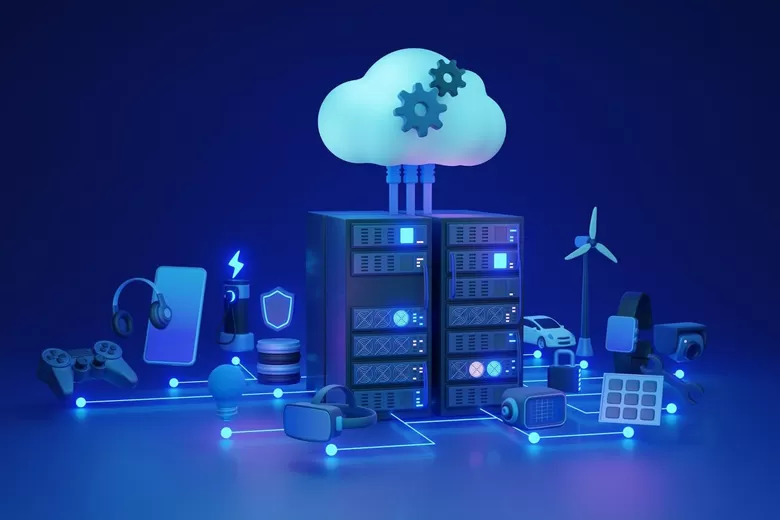
- Supporting scalable cloud and edge architectures
As demand grows, digital twin solutions are becoming a competitive differentiator rather than a niche capability.
Looking Ahead
Digital twin technology is reshaping how organizations understand and manage complex systems. By enabling continuous insight, prediction, and optimization, digital twins reduce uncertainty and improve decision-making.
As industries continue to adopt data-driven strategies, digital twins will play a central role in building smarter, more resilient, and more efficient systems. The future of innovation lies not just in collecting data, but in understanding it through intelligent virtual models.