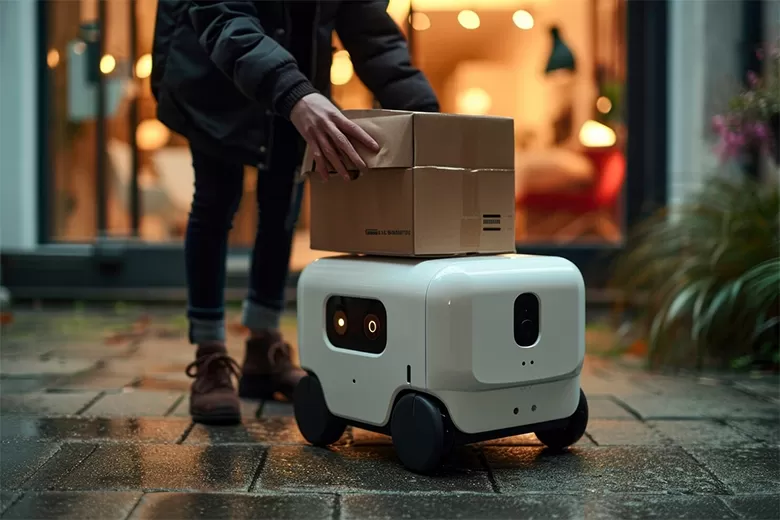
Technology is entering a new phase as autonomous AI agents begin to reshape how software systems operate and how businesses manage complex workflows. Unlike traditional AI tools that respond to direct user input, AI agents are designed to plan, decide, and execute tasks independently within defined goals. This evolution is changing expectations around productivity, automation, and digital collaboration.
What Are Autonomous AI Agents?
Autonomous AI agents are intelligent software entities capable of performing multi-step tasks without constant human supervision. They can analyze context, choose actions, interact with systems or other agents, and adapt their behavior based on outcomes.
Rather than acting as simple assistants, these agents function more like digital workers. For example, an AI agent can receive a business objective, break it into tasks, gather data, coordinate with other tools, and deliver results — all while learning from previous actions.
This capability marks a significant step beyond chatbots or rule-based automation.
From Tools to Decision-Makers
One of the biggest shifts driving AI agent adoption is the move from AI as a tool to AI as a decision-maker. Modern AI agents can prioritize tasks, manage dependencies, and make real-time adjustments when conditions change.
In software development, AI agents are being used to:
- Monitor code repositories
- Identify bugs or performance issues
- Generate fixes or improvements
- Trigger testing and deployment pipelines
In business operations, agents can handle scheduling, reporting, customer support triage, and workflow coordination across platforms. This reduces manual effort while increasing operational speed.
Multi-Agent Systems Gain Attention
Another emerging trend is the rise of multi-agent AI systems, where multiple AI agents collaborate to achieve complex goals. Each agent specializes in a specific role, such as research, execution, validation, or optimization.
These systems mirror how human teams work, enabling more scalable and resilient automation. If one agent encounters an issue, another can adapt or take over, ensuring continuity. This approach is gaining popularity in enterprise environments where workflows span multiple departments and tools.
Multi-agent architectures also allow businesses to experiment with modular AI systems that can evolve over time.
Enterprise Adoption Accelerates
Enterprises are increasingly exploring AI agents to improve efficiency and reduce operational bottlenecks. Customer service platforms are using agents to resolve routine queries, escalate complex cases, and learn from interactions to improve response quality.
In finance and analytics, AI agents assist with data validation, anomaly detection, and report generation. In marketing, they help manage campaigns, analyze performance, and adjust strategies automatically.
As organizations look to scale automation responsibly, AI agents offer a balance between flexibility and control.
Challenges and Responsible Design
Despite their promise, autonomous AI agents also introduce challenges. Poorly designed agents can make incorrect decisions, amplify errors, or act outside intended boundaries. As a result, companies are focusing on guardrails, transparency, and human oversight.
Responsible AI agent design includes:
- Clear goal definitions
- Permission-based actions
- Monitoring and audit trails
- Human-in-the-loop controls
Security is also a key concern. AI agents must operate within strict access controls to prevent misuse or unintended system interactions.
Impact on Developers and Product Teams
For developers and product teams, AI agents are changing how applications are built. Systems now need to support autonomous actions, event-driven workflows, and real-time feedback loops.
This requires:
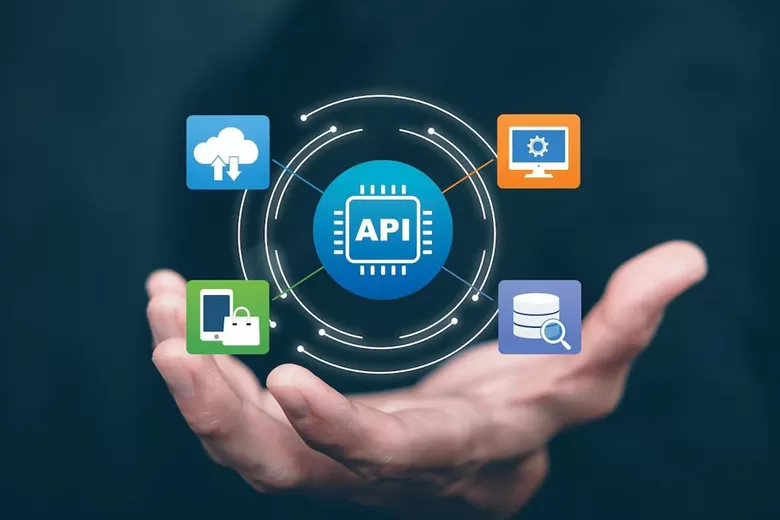
- Well-defined APIs
- Robust permission systems
- Observability and logging tools
- Scalable backend infrastructure
As a result, modern software architecture is increasingly designed with AI-native workflows in mind rather than adding AI as an afterthought.
What This Means for the Future of Work
The rise of autonomous AI agents signals a future where digital systems handle routine and repetitive work, allowing humans to focus on strategy, creativity, and decision-making. Rather than replacing teams, AI agents act as force multipliers that enhance productivity and reduce cognitive load.
Organizations that adopt this approach early are likely to gain a competitive advantage through faster execution, improved consistency, and smarter operations.
Looking Ahead
Autonomous AI agents are still evolving, but their impact is already visible across industries. As technology matures, these agents will become more reliable, collaborative, and context-aware.
For businesses and technology providers, the opportunity lies in building trustworthy, transparent, and scalable AI agent systems that deliver real value. The future of software is no longer just interactive — it is increasingly autonomous.